There are things about buying in South Florida that no listing, no lender, and no online guide will ever tell you. I know because I have been on both sides of transactions in this market. What I am about to share is not in any brochure. It is what I tell my clients before we ever see a property.
Some of it will surprise you. Some of it might even slow you down. That is the point. The buyers who do best in South Florida are not the ones who move fastest. They are the ones who know what they are walking into.
South Florida is not one market. It is dozens.
When people say they want to buy in South Florida, they usually mean something general. What they do not realize is that Doral and Miami Beach behave like completely different countries when it comes to pricing, inventory, buyer competition, and what a dollar actually buys. Coral Gables moves slowly and holds value. Aventura is almost entirely driven by international demand and seasonal patterns. Weston attracts a specific Latin American family profile that shapes everything from school ratings to resale speed.
Before you even start looking, you need to understand which micromarket you are actually entering. A good agent does not just show you what fits your budget. A good agent helps you understand why a $650,000 home in one zip code is a completely different investment than a $650,000 home three miles away.
"The buyers who do best in South Florida are not the ones who move fastest. They are the ones who know what they are walking into."
The listing price is a conversation starter, not a conclusion.
In most of the country, a listing price is relatively close to what the property will sell for. In South Florida, the gap between listed and sold can be wide in either direction. I have seen overpriced properties sit for 180 days and then sell for 20 percent below asking. I have also seen bidding wars on properties that seemed modestly priced, where the final number shocked everyone involved.
The listing price tells you what the seller wants. The comparable sales tell you what the market has actually decided. Those are two different things, and understanding the gap between them is the difference between a buyer who pays too much and a buyer who wins at the right price.
As a PSA-certified broker, I prepare a Comparative Market Analysis before my clients make any offer. Not an estimate. Not a Zestimate. An actual analysis of what similar properties have closed for in the last 90 days, adjusted for condition, location, and market movement. That is what determines the offer price.
The condo building matters as much as the unit.
This is the one that catches the most buyers off guard. You find a condo you love. The unit is beautiful. The price fits your budget. And then, weeks into the process, you discover that the building has a special assessment coming for $18,000 per unit, or that the reserves are critically underfunded, or that the building has pending litigation that no conventional lender will touch.
You cannot love a condo unit without first understanding the building it sits in. The financials, the reserve study, the minutes from the last three board meetings, the rental restrictions, the percentage of owner-occupied versus rented units — all of it matters. All of it affects your financing options, your future resale, and your actual cost of ownership.
Since the Surfside collapse and the subsequent Florida legislation on building inspections, this has become even more critical. Buildings are now required to undergo milestone inspections and maintain fully funded reserves. For buyers, this means higher monthly fees in some buildings — but it also means greater long-term safety and stability. Know what you are buying.
Insurance is the cost nobody budgets for.
The number I use to shock buyers back to reality is this: I have clients in South Florida paying more annually in homeowner's insurance than they pay in property taxes. That is not an exaggeration. The Florida property insurance market has been in crisis for years, and South Florida sits in one of the highest-risk zones in the country for wind events, flooding, and related claims.
Before you fall in love with a property, find out its flood zone designation, its wind mitigation rating, and the age of the roof. These three factors will determine what you pay for insurance — and in some cases, whether you can get insurance at all from a private carrier. Citizens Property Insurance, the state insurer of last resort, is an option, but it has its own requirements and limitations.
I always recommend that buyers get a preliminary insurance quote before making an offer. It is one of the most important numbers in your actual cost of ownership — and one of the least discussed.
The AS-IS contract protects you, but not the way you think.
Florida primarily uses an AS-IS residential contract, which confuses buyers who are used to contracts in other states. AS-IS does not mean you accept the property blindly. It means the seller is not obligated to make repairs — but you have an inspection period during which you can walk away for any reason and get your deposit back.
The inspection period is your due diligence window. Use it. Hire a qualified inspector. If you are buying a condo, get a condo specialist who knows what to look for beyond the unit itself. If you are buying a home, consider separate inspections for the roof, the AC system, and any pool equipment. The cost of inspections is minimal compared to the cost of discovering a problem after closing.
The other thing buyers miss: even in an AS-IS contract, you can still negotiate repairs or credits after the inspection. The seller is not obligated to agree, but many will rather than lose the deal. Knowing how to use that window — and when to use it as leverage — is something that comes with experience.
Closing costs in Florida are higher than buyers expect.
Most buyers budget for the down payment. Very few budget properly for closing costs, which in Florida typically run between 2 and 5 percent of the purchase price depending on whether you are financing. On a $700,000 purchase, that is $14,000 to $35,000 on top of your down payment — cash you need to have available at closing.
In Miami-Dade County specifically, buyers pay documentary stamp taxes on the mortgage, which is an additional cost not present in some other Florida counties. Title insurance, lender fees, prepaid items like homeowner's insurance and the first year of property taxes in escrow — it adds up faster than most people anticipate.
I walk every buyer through a closing cost estimate before we make an offer. There should be no surprises at the closing table. If your agent is not doing this for you, ask for it.
The Homestead Exemption changes your financial picture significantly.
If you are buying a primary residence in Florida, the Homestead Exemption is one of the most valuable financial tools available to you — and one of the most misunderstood. It reduces the assessed value of your home by up to $50,000 for property tax purposes, which translates directly to lower annual tax bills.
But the even more powerful benefit is the Save Our Homes cap, which limits the annual increase in your assessed value to 3 percent or the rate of inflation, whichever is lower. In a market where property values can increase 15 to 20 percent in a single year, this cap protects you from tax bill increases that would otherwise be unsustainable.
You must apply by March 1 of the year following your purchase. Miss that deadline and you lose an entire year of protection. I remind every buyer I work with to put this on their calendar before we even close.
The market is seasonal, but not in the way most people assume.
South Florida has a year-round real estate market, but demand does shift seasonally in ways that affect pricing and negotiating power. The peak buying season runs roughly from November through April, when snowbirds and seasonal residents are most active. Inventory tends to be higher but so does competition. Sellers are more confident and less likely to negotiate aggressively.
The summer months — May through September — tend to be quieter, particularly in coastal and vacation-oriented communities. Motivated sellers who have not sold during peak season are often more negotiable. If your timing is flexible, understanding these patterns can create real opportunities. If your timing is fixed, knowing the dynamics helps you set realistic expectations.
Your agent's relationship with the listing agent matters more than you think.
In a competitive offer situation, the relationship between your buyer's agent and the listing agent can genuinely influence the outcome. This is not about corruption or backroom deals. It is about communication, credibility, and trust. A listing agent who knows your agent, respects their work, and trusts their clients are serious will often advocate for your offer even when the numbers are close.
I have been in this market for 24 years. I know the listing agents. They know me. That professional network is part of what you get when you work with an experienced, established broker — and it is nearly impossible to quantify but very real in practice.
What no one tells you is that buying here requires a different kind of preparation.
South Florida is one of the most dynamic, complex, and rewarding real estate markets in the country. It attracts buyers from across the US and around the world precisely because of that. But it also rewards preparation in a way that few markets do.
The buyers who walk away from their transactions feeling genuinely well-served are almost always the ones who took the time to understand the market before they were in the middle of it. They asked the uncomfortable questions early. They got the pre-approval before they started touring. They understood their true cost of ownership before they fell in love with a property.
That preparation is not complicated. It just requires working with someone who will give you the real picture, not just the one that moves the transaction forward.
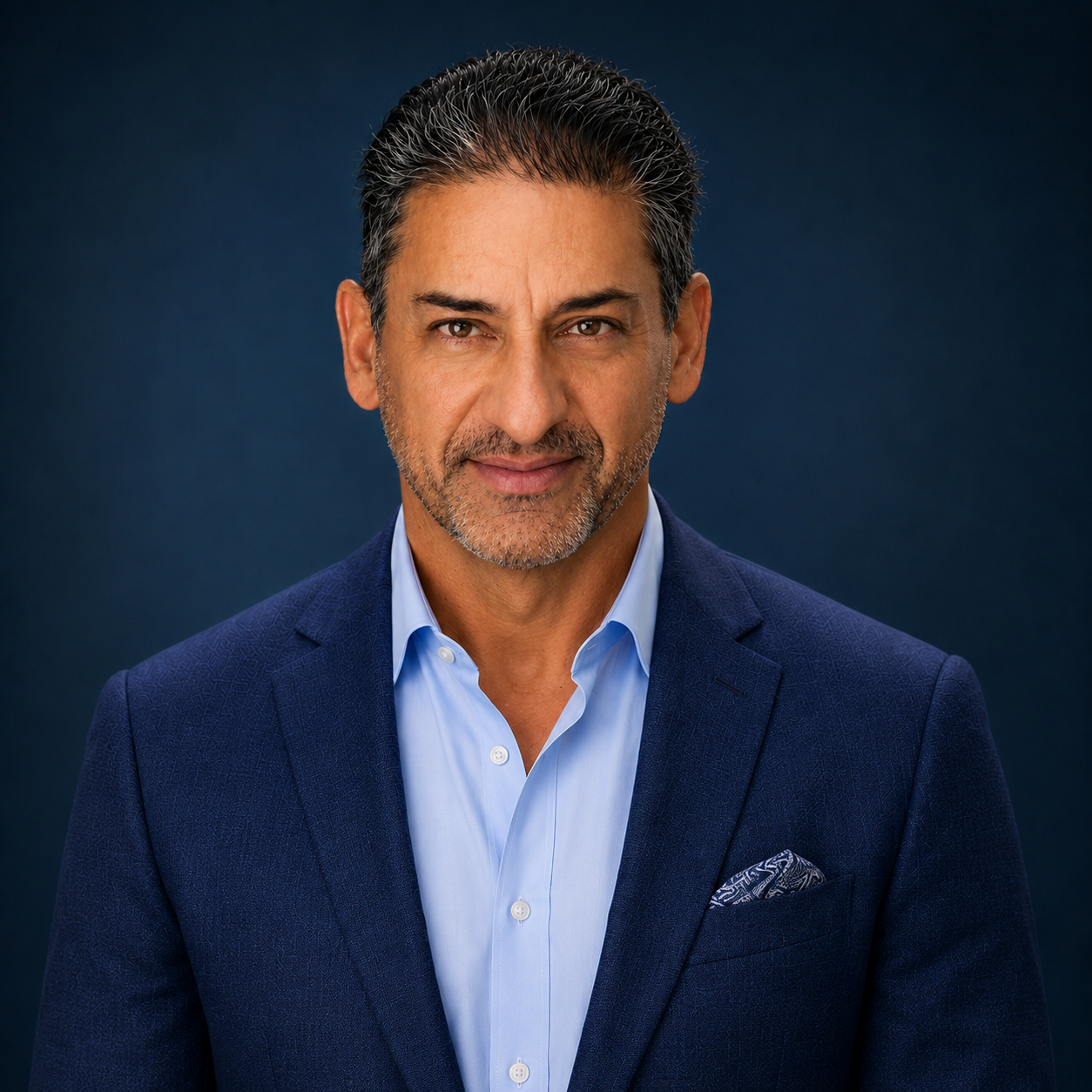
Reinaldo Gonzalez
Licensed Florida Broker since 2002 · Broker/Owner, InvesTeam Realty · Published author · Bilingual EN/ES
Reinaldo has been involved in over 3,000 transactions across Miami-Dade, Broward, and Palm Beach counties in South Florida. He is a published author, keynote speaker, and the creator of the Trust Architecture Method.
Ready to buy in South Florida?
Let's have the real conversation
before you start looking.
Free buyer consultation. No obligation. Just an honest conversation about your goals, your budget, and what the market actually looks like right now.
Start the conversation →