
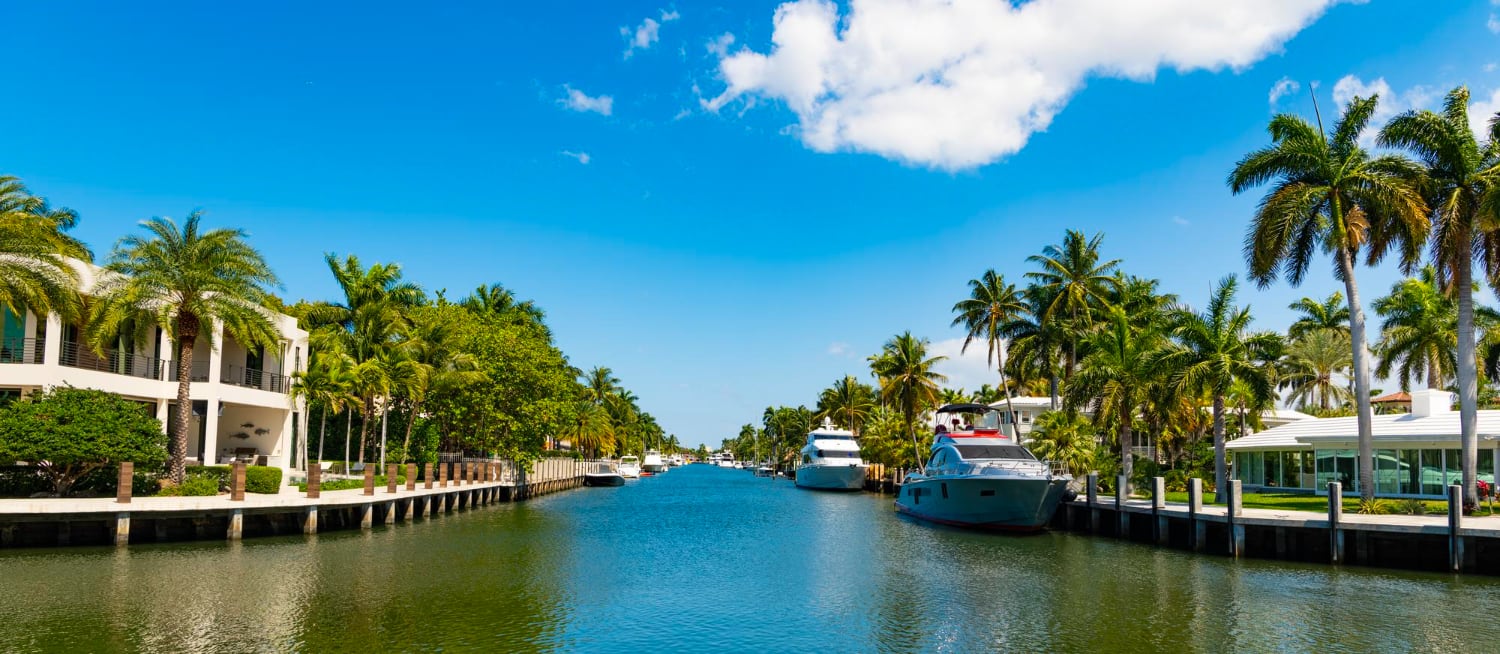

Halfway through 2026, the South Florida real estate market is telling a more nuanced story than the headlines suggest. It is not a crash. It is not a boom. It is a market that has split into distinct segments behaving in fundamentally different ways, and where you are in that picture depends entirely on which segment you are navigating.
Here is the data as it stands at the end of July 2026, county by county and property type by property type, with a clear read on what it means for buyers, sellers, landlords, and investors operating in this market right now.
“South Florida is not one market. It is a dozen markets sharing a zip code. The data tells a different story for each one.”
Single-family homes: a seller's market holding its ground
Across the tri-county area, single-family closed sales increased 6.3% year over year through April 2026, with the median sale price holding at $650,000. Inventory has declined to 4.8 months of supply, down from 5.9 months a year ago. By definition, anything below 6 months favors sellers. The single-family market in South Florida, particularly in established school-zone communities, continues to favor sellers with well-priced inventory.
Palm Beach County is leading the region. Single-family sales were up 14.3% year over year in March, outpacing both Miami-Dade and Broward by a meaningful margin. Boca Raton, Delray Beach, and the Wellington corridor have seen sustained demand driven by domestic migration and the continued appeal of A-rated school districts.
In Broward, West Broward communities like Weston and Parkland remain tight. Inventory in these markets is holding below 5 months, and correctly priced homes in good school zones are still generating multiple offers. The coastal Broward communities are more variable, with some pockets showing softness where condominium supply has spilled over into buyer perception of the broader area.
In Miami-Dade, single-family medians held above $670,000 through mid-year. The Miami median single-family price as of late June 2026 sits at approximately $582,000, reflecting a modest 1.2% year-over-year decrease, the first softening in the single-family segment in three years. Demand from international buyers purchasing in cash continues to support the upper end of the market in ways that domestic rate sensitivity does not affect.
The condo market: two stories in one segment
The condo market in South Florida is where the story gets complicated and where the most important distinctions need to be made. Broad statistics make the condo market look weak. Dig into them, and a more specific picture emerges.
Miami-Dade condo inventory stood at approximately 13.2 months of supply in mid-2026, deep into buyer's market territory by any standard definition. Median condo prices in Miami-Dade have declined nearly 10% year over year. At the same time, the luxury condo segment at $1 million and above remains active, driven by cash buyers and international demand that is structurally insulated from domestic mortgage rate changes.
Broward County condo prices have declined approximately 7.9% year over year, with inventory at roughly 11 months of supply as of April 2026. However, inventory is trending down from its peak of 12.3 months earlier in the year, which is the first meaningful signal that the condo market may be stabilizing.
The reason for the divergence within the condo segment is SB 4-D, the Florida legislation passed in the wake of the Surfside collapse requiring older condominium buildings to complete structural integrity reserve studies and fund reserves adequately. Buildings that have not completed this process, or whose reserve funding reveals significant shortfalls, are facing a buyer pool that has become appropriately cautious. Insurance availability and cost for these buildings add another layer of complexity that buyers are pricing into their decisions.
What this means in practice: a well-maintained condo in a financially sound building with a completed reserve study, adequate reserves, and insurable status is a very different asset than an identical unit in a building that has not completed its compliance obligations. The market is distinguishing between them, sometimes sharply, in ways that were not a factor three years ago.
Mortgage rates and what they are doing to demand
The 30-year fixed mortgage rate in South Florida sits in the 6.0% to 6.5% range as of late July 2026, down from the 7.2% peak reached in late 2023. MIAMI Realtors and multiple lending sources are projecting rates could decline toward the high 5% range by year-end if the Federal Reserve moves as currently anticipated.
That projected drop matters for a specific reason. Every time rates have moved meaningfully lower in recent years, a cohort of buyers who had been waiting re-entered the market simultaneously, compressing the negotiating window that currently exists. Buyers who are sitting on the sidelines waiting for lower rates may find that the inventory and negotiating position available to them today is less favorable once those rates arrive and bring additional competition with them.
For sellers, the rate environment has lengthened the decision cycle for financed buyers. Offers that would have arrived in week one now arrive in week two or three as buyers take more time to confirm their financing and payment. The transaction is still happening. It is taking longer to initiate.
What the market looks like for investors and landlords
The rental market in South Florida continues to absorb demand from buyers who have been priced out of or are waiting on the purchase market. Vacancy rates across Miami-Dade and Broward remain below historical averages, which has kept rental pricing elevated despite some softening at the top of the market.
Investors looking at single-family rentals in South Florida are navigating a cap rate environment that has compressed significantly from pre-2020 levels. Properties that cash flow meaningfully at current prices and financing costs require either significant equity, a cash position, or a value-add component. The buy-and-hold thesis remains intact for investors with a long time horizon, but the short-term cash-on-cash math is more challenging than it was two or three years ago.
The short-term rental market continues to face regulatory headwinds in multiple South Florida municipalities. Miami Beach has aggressively restricted short-term rentals outside of designated zones. Several Broward municipalities have followed with their own restrictions. Investors underwriting a short-term rental strategy in this market need current, jurisdiction-specific regulatory clarity before assuming that use is available.
Where the opportunities are in the second half of 2026
In the single-family segment, the opportunity for buyers is in the pockets where inventory has increased without a corresponding drop in quality. Some neighborhoods that were completely inaccessible at the peak of the market in 2022 have modestly more inventory and slightly longer days on market. That combination, in the right location, represents a real window.
In the condo segment, buyers with the patience and knowledge to evaluate building financials carefully are finding real value in well-positioned units in financially sound buildings that are being dragged down in perception by the broader condo narrative. The distinction between a compliant building and a non-compliant one is not always visible in the listing price, but it is always visible in the long-term outcome.
For sellers, the second half of 2026 favors those who price accurately and present well from day one. The market is no longer forgiving of overpricing. Properties that came to market above what the data supported and are now reducing are competing with fresh listings for the same buyer pool, at a disadvantage. The sellers doing well right now are the ones who read the market honestly before they listed, not after.
“The data at mid-year 2026 points to a market that rewards precision. The buyers and sellers with accurate information are getting the outcomes. Everyone else is waiting.”