Closing Costs  ·  South Florida  ·  COMPASS

What closing really costs
in South Florida, explained
line by line.

The sale price is only part of the math. Here is what buyers and sellers actually pay at the closing table in Miami Dade, Broward, and Palm Beach, and who customarily pays what.

Estimate your net proceeds →
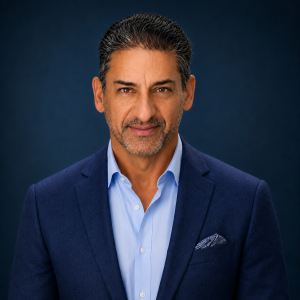
Reinaldo Gonzalez
Reinaldo Gonzalez · Team Leader · COMPASS
24 Years · 3,000+ Transactions · $1B+ in Sales
16 NAR Designations

Buyer closing costs typically run 2 to 5 percent of the purchase price.

Financed buyers land near the top of that range because loan costs and escrows add up. Cash buyers pay considerably less. Here is where the money goes.

🏦
Loan costs Financed buyers only
Origination or lender fees, the appraisal, and the credit report. On the mortgage itself, Florida charges documentary stamps of 35 cents per 100 dollars of the loan amount plus an intangible tax of 2 dollars per 1,000 dollars borrowed. These two taxes alone add roughly half a percent of the loan amount, which is why cash purchases close cheaper.
🛡
Title insurance and settlement Varies by county custom
The owner’s title policy protects your ownership against defects, liens, and claims. Florida sets the premium by a state rate schedule based on price. In Miami Dade and Broward the buyer customarily pays for the owner’s policy and selects the title company. Add the title search, settlement fee, and recording charges.
🔍
Inspections and due diligence
General inspection, plus specialty inspections where they make sense: roof, four point for insurance, wind mitigation, termite. For a condo, budget for the association’s application fee and the document review. A few hundred dollars here protects the largest purchase of your life.
☂
Insurance and escrows The South Florida line item
Lenders collect the first year of homeowner’s insurance at closing, plus escrow deposits for taxes and insurance going forward. In South Florida, insurance is a real number that varies enormously by property, which is why the smart move is getting an insurance quote before you make an offer, not after.
📅
Prorations
Property taxes and HOA dues are split between buyer and seller based on the closing date. Florida property taxes are paid in arrears, so sellers typically credit buyers for the portion of the year they owned the home.

Seller closing costs typically run 6 to 9 percent, including commission.

Most of a seller’s cost is concentrated in two or three lines. Know them before you list and there are no surprises on the closing statement.

🤝
Real estate commission Negotiable
The largest single line for most sellers. Commission is always negotiable and is agreed in your listing agreement, including any compensation offered to the buyer’s side. What matters is not the rate alone but the net result: pricing, marketing, and negotiation determine what you actually walk away with.
📄
Documentary stamps on the deed The Florida transfer tax
In most Florida counties the deed tax is 70 cents per 100 dollars of the sale price. Miami Dade County is different: 60 cents per 100 dollars for a single family home or a condo unit, while other property types, such as vacant land, commercial, and multifamily, pay an additional surtax of 45 cents per 100 dollars. On a 700,000 dollar home or condo sale in Miami Dade, that is 4,200 dollars.
🛡
Owner’s title policy Depends on the county
In Palm Beach and most other Florida counties, the seller customarily pays for the owner’s title insurance policy. In Miami Dade and Broward, the buyer customarily pays. Custom is not law, it is a starting point for negotiation, and in a buyer’s market this line moves.
🏢
Association and municipal items
For a condo or HOA property, the association charges an estoppel fee for the certificate that states what you owe. Title companies also order a municipal lien search for open permits, code violations, and utility balances. Open permits discovered late are one of the most common closing delays in South Florida, so surface them early.
💰
Payoffs and prorations
Your mortgage payoff, any liens, and your share of the year’s property taxes come out of proceeds at closing. The payoff is almost always higher than your statement balance because interest accrues daily until the lender is paid. Order the official payoff letter early.

The custom changes at the county line.

South Florida closes differently county by county. These are the customs, and everything remains negotiable in the contract.

Miami Dade
Owner’s title policy: buyer customarily pays and picks the title company
Deed stamps: 60 cents per 100 dollars on single family homes and condo units, plus a 45 cent surtax on other property types, paid by seller
Feel: buyer controls title, seller pays the transfer tax
Broward
Owner’s title policy: buyer customarily pays and picks the title company
Deed stamps: 70 cents per 100 dollars, paid by seller
Feel: same custom as Miami Dade with the standard state deed tax
Palm Beach
Owner’s title policy: seller customarily pays and picks the title company
Deed stamps: 70 cents per 100 dollars, paid by seller
Feel: the custom flips, sellers carry the title line here

Closing costs are more negotiable than most people think.

Everything on the closing statement started as a negotiation somewhere: in the contract, in the listing agreement, or in the lender’s fee sheet. Buyers can shop lenders and compare fee sheets line by line, request seller contributions toward closing costs, and ask the seller’s side to cover specific items in exchange for terms the seller values, like a faster close or fewer contingencies.

“In today’s South Florida condo market, seller concessions toward buyer closing costs have gone from rare to routine. If nobody asked for them in your deal, somebody left money on the table.”

Sellers reduce their side by negotiating the listing terms up front, surfacing open permits and association issues before they become closing delays, and understanding county custom before agreeing to carry costs the other side customarily pays. The closing statement rewards whoever prepared earliest.

Quick reference
💵
Buyers: 2 to 5 percent
Financed purchases near the top of the range, cash purchases near the bottom
💵
Sellers: 6 to 9 percent
Including commission, deed stamps, title where customary, and prorations
📊
Mortgage taxes: about half a percent
Note stamps plus intangible tax on the loan amount, financed buyers only
⚖
Custom is not law
Every line can be moved in the contract, custom only sets the starting point

The questions buyers and sellers ask most often.

Don’t see yours? Reach out and ask directly.

Who pays closing costs in Florida, the buyer or the seller?+
Both sides pay, just different items. Buyers typically cover loan costs, inspections, insurance, escrows, and, in Miami Dade and Broward, the owner’s title policy. Sellers typically cover the commission, the documentary stamps on the deed, their prorated taxes, and, in Palm Beach and most other counties, the title policy. All of it is negotiable in the contract.
How much are closing costs on a 500,000 dollar home?+
For a financed buyer, roughly 10,000 to 25,000 dollars depending on loan size, insurance, escrows, and title. For a seller, roughly 30,000 to 45,000 dollars including a typical commission, about 3,000 to 3,500 dollars in deed stamps depending on the county, and prorations. The seller net proceeds calculator on this site gives you an itemized estimate for your exact numbers.
What are documentary stamps?+
Florida’s transfer taxes. On the deed, the seller pays 70 cents per 100 dollars of the price in most counties, with Miami Dade charging 60 cents on single family homes and condo units, plus a surtax on other property types. On a mortgage, the borrower pays 35 cents per 100 dollars of the note plus the intangible tax. The title company collects all of it at closing.
Can the seller pay my closing costs?+
Yes, through a seller concession written into the contract. Loan programs cap how much a seller can contribute, commonly 3 to 9 percent depending on the loan type and down payment, so your lender confirms the ceiling. In the current South Florida condo market, concessions are a realistic ask, not a long shot.
Are closing costs tax deductible?+
Some items may have tax treatment, such as prepaid interest or property taxes, and some seller costs can affect the calculation of gain on sale. That is a question for your accountant or tax professional, who can apply the rules to your specific situation. The closing statement you receive at closing is the document they will want to see.

Selling your home?

See what you would actually walk away with.

The net proceeds calculator itemizes commission, taxes, title, and payoff so the closing statement never surprises you.

This page is general information for South Florida buyers and sellers, current as of November 2026, and is not legal, tax, or financial advice. Rates, customs, and fees change and vary by transaction. Your title company, lender, and closing agent provide the exact figures for your closing, and your accountant or attorney can advise on your specific situation.