South Florida is one of the great international real estate markets in the world. Buyers come from across Latin America, from Europe, from Canada, drawn by the climate, the stability, and a lifestyle that translates in any language. Miami in particular has long been a global city where owning a home is a goal shared by people from dozens of countries.
Buying here as a foreign national is very doable, but it raises a set of questions that domestic buyers never have to think about. Financing works differently, the tax picture is genuinely different, and how you hold the property can matter enormously. Over 24 years, and as a Certified International Property Specialist, I have guided many buyers through it. Here is a clear guide to what an international buyer needs to know, with the reminder up front that the tax and legal specifics should always be confirmed with a qualified cross border attorney and accountant, since I am a broker, not a tax or legal advisor.
Yes, foreign nationals can buy, freely.
The first question is usually the most basic one, and the answer surprises people. You do not need to be a US citizen or a resident to buy property in the United States. There is no visa requirement to own real estate, and the country places almost no restrictions on foreign ownership of homes. A buyer living anywhere in the world can own a home in South Florida.
Owning property does not, by itself, grant any immigration status or right to live in the country, and that is a separate matter for an immigration attorney. But purely as a real estate transaction, buying is open to foreign nationals on essentially the same footing as anyone else. The ownership question is the easy part. The pieces that follow are where the guidance matters.
"You do not need to be a citizen or a resident to own a home in South Florida. The ownership question is the easy part."
Financing: cash, or a foreign national loan.
Many international buyers pay cash, which simplifies the process considerably. But financing is available, through what lenders call foreign national loan programs. These are real and workable, and they come with different terms than a standard mortgage. The most notable difference is the down payment, which is typically larger, often in the range of 30 to 40 percent, because the lender is taking on more perceived risk with a borrower whose credit history lives in another country.
The key is to arrange this early, before you fall in love with a property. A foreign national buyer who has spoken with the right lender in advance, understands the down payment required, and has documentation ready moves with confidence. One who waits until an offer is on the table can lose time and leverage. The financing exists. It simply rewards planning.
The tax picture is different, and it matters.
This is the area where good professional advice pays for itself many times over. A few things differ meaningfully for foreign buyers. There is a federal rule, known as FIRPTA, that requires a portion of the sale price to be withheld when a foreign seller eventually sells a US property, which matters for your exit long before you get there. Foreign buyers also generally need a US tax identification number, an ITIN, to handle filings.
Property taxes apply as they do for anyone, but with an important difference: the Homestead Exemption and its Save Our Homes cap are only for a primary, permanent residence. A foreign buyer using the home as a second residence or investment does not receive them, which means the effective annual tax is higher than a local owner in the same building might pay. None of this is a reason not to buy. It is a reason to go in with a clear picture, built with a cross border accountant who does this regularly.
Moving the money: wires, currency, and timing.
The logistics of moving funds internationally are their own small project, and they take longer than most buyers expect. International wire transfers, currency conversion, and the documentation showing the legitimate source of your funds all need to be handled properly, and banks on both ends will have requirements. Currency timing can also affect your real cost, since exchange rates move.
The lesson is simply to plan the money side as carefully as the property side, and to start early. Have your funds positioned, your documentation organized, and your banking relationships ready before you are under contract with deadlines running. A deal delayed because money is stuck in transit is an avoidable and stressful problem, and a little advance coordination prevents it entirely.
"Plan the money side as carefully as the property side. A deal delayed because funds are stuck in transit is an avoidable problem."
How you hold title matters more than you think.
One decision that is easy to overlook, and expensive to get wrong, is how you take ownership of the property. A foreign buyer can hold title as an individual, through a US company such as an LLC, or through other structures, and the choice carries real consequences for taxes, liability, privacy, and estate planning. For non resident owners in particular, US estate tax can reach US property, sometimes with a much smaller exemption than a citizen would have, which makes the ownership structure a genuinely important question rather than a formality.
This is precisely the kind of decision to make with a cross border attorney and accountant before you close, not after. The right structure for one buyer is the wrong one for another, depending on their country, their goals, and their broader financial picture. It is not a place to guess or to copy what a friend did. Getting it right at the start can save an enormous amount later.
Why South Florida works so well for international buyers.
For all the details to manage, South Florida is one of the easiest places in the world to buy as a foreigner, because the entire ecosystem is built for it. There is a deep, established international community, so a buyer is rarely a pioneer. There are bilingual and multilingual professionals at every step, from agents to attorneys to bankers. There are direct flights to much of the world, and a market that genuinely understands foreign buyers because it has served them for decades.
That infrastructure is a real advantage. In many places, a foreign buyer is an unusual case that professionals handle occasionally. Here, it is routine, and routine means smoother. The systems, the expertise, and the relationships that make an international purchase work are already in place, which is a large part of why the world keeps choosing this corner of it.
The right team makes it simple.
Buying from abroad can sound complicated when you list every piece, but in practice it is very manageable with the right team around you. An agent experienced with international transactions, a cross border attorney, an accountant who knows the tax treaties, and a lender who offers foreign national programs turn a daunting process into an orderly one. Each handles their part, and the buyer gets to focus on the home.
This is a general guide, not tax or legal advice, and your own situation deserves professionals who can address its specifics. But the headline is an encouraging one: South Florida is open to the world, the path is well worn, and with the right people guiding you, owning a home here from anywhere on earth is entirely within reach.
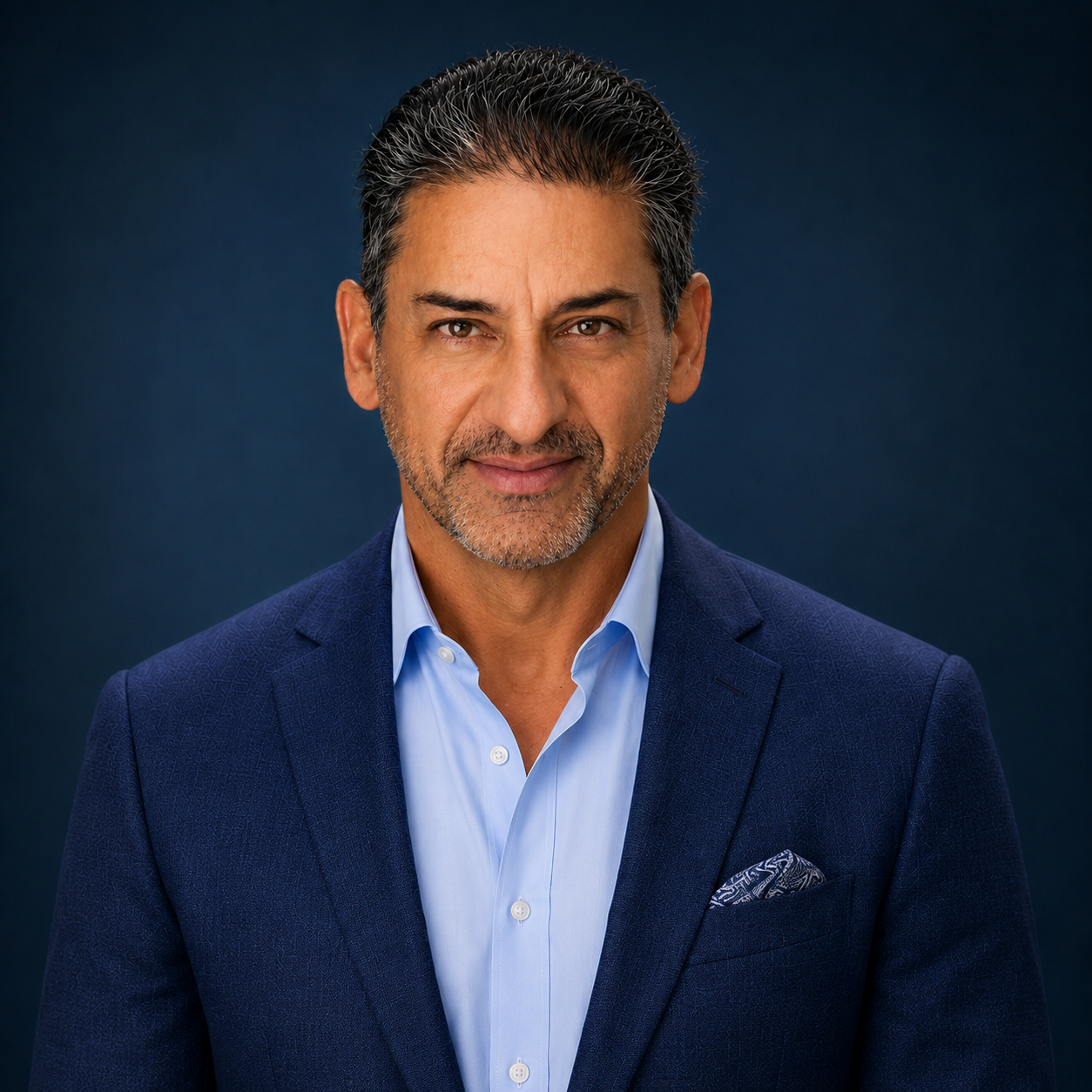
Reinaldo Gonzalez
Licensed Florida Broker since 2002 · Broker/Owner, InvesTeam Realty · Certified International Property Specialist · Bilingual EN/ES
Reinaldo has been involved in over 3,000 transactions across Miami-Dade, Broward, and Palm Beach counties in South Florida. He is a published author, keynote speaker, and the creator of the Trust Architecture Method.
Buying from outside the US?
Let's make your South Florida
purchase simple.
Guidance from a Certified International Property Specialist who has helped buyers from around the world own here. In English and Spanish, from first question to keys.
Start the conversation →